Thursday, October 30, 2008

What You Must Know To Make An Informed Decision About Prostate Cancer Treatments

What You Must Know To Make An Informed Decision About Prostate Cancer Treatments
By Helen Hecker

Detected in its early stages, prostate cancer can be effectively treated and cured. In most men, prostate cancer grows very slowly: most men will never know they have the condition. Prostate cancer is deadly but can be cured if it's caught early enough.

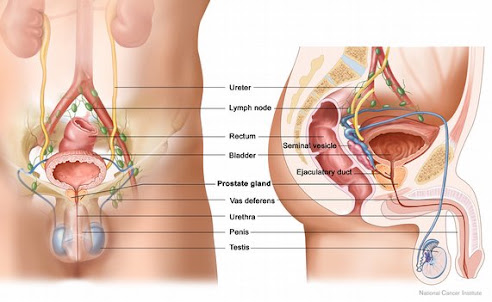
At an advanced age, the risks of surgery for prostate cancer or other more radical treatments may actually be worse than the disease. It's estimated that approximately 234,460 men in the U.S. will be diagnosed with it this year, and approximately 27,350 will die of the disease. The prostate gland is located directly beneath the bladder and in front of the rectum.

One of the most common symptoms is the inability to urinate at all. Additional symptoms that may be associated with this disease are bone pain or tenderness, and abdominal pain. Because symptoms can mimic other diseases or disorders, men who experience any of these symptoms should undergo a thorough work-up to determine the underlying cause of the symptoms.

Some men will experience symptoms that might indicate the presence of prostate cancer. Having one or more cancer symptoms does not necessarily mean that you have prostate cancer. If cancer is caught at its earliest stages, most men will not experience any symptoms.

The decision about whether to pursue a PSA test should be based on a discussion between you and your doctor. A PSA test with a high level can also be from a non-cancerous enlargement of the prostate gland. A number of tests may be done to confirm a diagnosis.

There are several potential downsides to PSA testing; for example a high PSA does not always mean a patient has prostate cancer. What is called a free PSA may help tell the difference between BPH (benign prostatic hypertrophy), an enlargement of the prostate gland, and prostate cancer. A prostate biopsy usually confirms the diagnosis.

Be aware that some men chose natural treatment options and forgo any surgery, radiation or chemotherapy. Prostate cancer that has spread (metastasized) may be treated conventionally with drugs to reduce testosterone levels, surgery to remove the testes, chemotherapy or nothing at all. Recent improvements in surgical procedures have made complications occur less often.

Anyone considering surgery should be aware of the benefits, risks and the extent of the procedure. Medicines can be used to adjust the levels of testosterone; called hormonal manipulation. In the early stages, surgery and radiation may be used to remove or attempt to kill the cancer cells or shrink the tumor.

In patients whose health makes the risk of surgery unacceptably high, radiation therapy is often the chosen conventional alternative. Besides hormonal drugs, hormone manipulation may also be done by surgically removing the testes. If chemotherapy is decided upon after the first round of chemotherapy, most men receive further doses on an outpatient basis at a clinic or physician's office.

Other medications used for hormonal therapy, with side effects, include androgen-blocking agents, which prevent testosterone from attaching to prostate cells. Hormone manipulation is mainly used as a treatment to relieve symptoms in men whose cancer has spread. Surgery, called a radical prostatectomy, removes the entire prostate gland and some of the surrounding tissues.

What you can do now is begin to understand what exactly your treatment options are and where you're going to begin. Medications can have many side effects, including hot flashes and loss of sexual desire.

Just about all men with prostate cancer survive at least five years after their diagnosis, 93% survive at least 10 years, and 67% survive more than 15 years.

As new research comes out adjust your treatment options accordingly. Because it's a slow-growing disease, many men with this disease will die from other causes before they die from prostate cancer.

For more information on prostate cancer treatments and prostate cancer symptoms go to http://www.BestProstateHealthTips.com Helen Hecker R.N.'s website specializing in prostate and prostate cancer tips, advice and resources, including information on prostate tests and natural prostate cancer treatments

Article Source: http://EzineArticles.com/?expert=HelenHecker
http://EzineArticles.com/?What-You-Must-Know-To-Make-An-Informed-Decision-About-Prostate-Cancer-Treatments&id=531144

Friday, October 17, 2008

What You Should Know About Prostate Cancer

What You Should Know About Prostate Cancer
By Helen Hecker

Prostate cancer is the second leading cause of cancer deaths among men in the U.S. Men younger than 40 are rarely ever diagnosed with prostate cancer. Prostate cancer is deadly but can be cured if it's caught early enough. In most men, prostate cancer grows very slowly: most men will never know they have it.

The prostate is a small, walnut-sized structure that makes up part of a man's reproductive system; it wraps around the urethra, the tube that carries urine out of the body. The prostate gland is located directly beneath the bladder and in front of the rectum.

There may be other symptoms not mentioned here. Other symptoms might include unintentional weight loss and lethargy. There are several symptoms to be aware of.

Weak or interrupted flow of urine and painful or burning urination can be symptoms to watch out for. If cancer is caught at its earliest stages, most men will not experience any symptoms. One of the most common symptoms is the inability to urinate at all. A chest x-ray may be done to see if there's a spread of cancer. One downside to PSA testing is that health care providers are detecting and treating some very early-stage prostate cancers that may never have caused the patient any harm. Another test usually used when prostate cancer symptoms are present is the digital rectal exam (DRE) performed by the doctor.

A PSA test with a high level can also be from a non-cancerous enlargement of the prostate gland. The prostate-specific antigen (PSA) test measures the PSA enzyme in your blood for abnormalities. A urinalysis may indicate if there is blood in the urine.

The approaches to treatment include: ever watchful waiting to see whether the cancer is growing slowly and not causing any symptoms. In the early stages, surgery and radiation may be used to remove or attempt to kill the cancer cells or shrink the tumor. Hormone manipulation is mainly used as a treatment to relieve symptoms in men whose cancer has spread.

Treatment options can vary based on the stage of the tumor. What you can do now is begin to understand what exactly your treatment options are and where you're going to begin. Chemotherapy medications are often used to treat prostate cancers that are resistant to hormonal treatments.

Surgery, radiation therapy, and hormonal therapy can interfere with libido on a temporary or permanent basis. Be aware that some men chose natural treatment options and forgo any surgery, radiation or chemotherapy. Medicines can be used to adjust the levels of testosterone; called hormonal manipulation.

Prostate cancer that has spread (metastasized) may be treated conventionally with drugs to reduce testosterone levels, surgery to remove the testes, chemotherapy or nothing at all. Many men simply want the best treatment they can get but what's important is picking the best treatment for you. In patients whose health makes the risk of surgery unacceptably high, radiation therapy is often the chosen conventional alternative.

Radiation therapy is used primarily to treat prostate cancers classified as stages A, B, or C. If chemotherapy is decided upon, after the first round of chemotherapy, most men receive further doses on an outpatient basis at a clinic or physician's office. Being treated with chemotherapy and radiation therapy is something to think through carefully and know that you have the option to refuse them.

If you've already been diagnosed with prostate cancer, pick the option that's best suited to you and your continuing good health. As new research comes out you can adjust your treatment options accordingly. Just about all men with prostate cancer survive at least five years after their diagnosis, 93% survive at least 10 years, and 67% survive more than 15 years.

For more information on prostate cancer treatments and prostate cancer symptoms go to http://www.BestProstateHealthTips.com Helen Hecker R.N.'s website specializing in prostate and prostate cancer tips, advice and resources, including information on prostate tests and natural prostate cancer treatments

Article Source: http://EzineArticles.com/?expert=HelenHecker
http://EzineArticles.com/?What-You-Should-Know-About-Prostate-Cancer&id=512728

Wednesday, October 15, 2008

Want Some Simple Suggestions to Do What You Can to Protect Yourself from Prostate Cancer?

Want Some Simple Suggestions to Do What You Can to Protect Yourself from Prostate Cancer?
By Patricia Wagner

If you're a man, you're also a potential prostate cancer sufferer. This dreaded disease is one of the most common cancers for men who are 50 years of age and older.

What are some signs of possible prostate cancer? Here is a list of 9 symptoms:

1. You have to run to the bathroom to urinate a lot more frequently than you did in the past. This is especially true at night.

2. There is unusual discomfort and pain while urinating. A burning sensation may be present as well.

3. After urinating, dribbling occurs.

4. You have trouble completely voiding your bladder.

5. It's hard to start and stop urinating.

6. The flow of urine is not steady, but weak and often interrupted.

7. Impotence or impaired function may occur.

8. Blood may be present in urine or semen.

9. There may be back pain and pain in nearby areas.

Prostate cancer develops very slowly, so you might not experience symptoms until the disease is in an advanced state.

There are other diseases that also have these accompanying symptoms, so be sure to see a doctor for a checkup and for medical advice.

Prostate cancer can be fatal, so why not do all you can do to try to protect yourself? Why not use all the available health weapons out there -- such as the following suggestions?

1. Eating the right foods can help you prevent or fight prostate cancer.

Be sure to eat a lot of different types of fresh fruits and vegetables each day.

Some foods are more powerful than others in preventing the growth of cancer.

For example, including fish in your diet is one of the healthiest things you can do. Here's why: fish oils tend to decrease the risks of being attacked by prostate cancer. Studies show that among cultures where the population often eats fish, there is less prostate cancer.

Keep in mind that soybean products are especially healthful. Two soybean products are soya milk and tofu.

Include a lot of tomato products in your anti-cancer diet as well. Be sure to take advantage of the lowly tomato's cancer-fighting properties by eating lots of fresh tomatoes and tomato sauces. Tomatoes contain a lot of lycopene. That's one reason why tomatoes are the king of fruits and vegetables when it comes to helping prevent prostate cancer.

Eat whole grain bread and cereals and avoid food choices made of white flour.

Eat foods rich in calcium. This is especially important for men who suffer from advanced prostate cancer.

2. Certain foods harm your health, so avoid them as much as possible.

Fatty foods and processed sugars are especially dangerous to your health.

Eating too much red meat is harmful to your health as well.

3. Take vitamins and mineral supplements.

One of the most powerful supplements in protecting from cancer is selenium, so include it too.

Also take natural Vitamin E that for protection.

Even though lycopene is found in tomatoes, be sure to take it as a supplement as well. Research reveals encouraging news for men who undergone prostate cancer surgery. Lycopene seems to help prostate surgery patients experience less pain and may even help them to live longer.

4. Try to maintain your ideal weight instead of letting yourself become obese, so exercise regularly.

Prostate cancer is a life-threatening disease, so do all you can to protect your health.

Learn how to protect yourself from cancer of the prostate gland. Patricia Wagner provides a variety of health and wellness tips to help you be healthier at http://www.azhealthtips.com

Article Source: http://EzineArticles.com/?expert=PatriciaWagner
http://EzineArticles.com/?Want-Some-Simple-Suggestions-to-Do-What-You-Can-to-Protect-Yourself-from-Prostate-Cancer?&id=392824

Monday, October 13, 2008

Advice On The Latest Prostate Cancer Treatments

Advice On The Latest Prostate Cancer Treatments
By Caroline Bourke

Prostate cancer is the most common occurring cancer in men worldwide, and thus is an incredibly serious issue. Prostate cancer is a cancer that occurs in the prostate gland, which is part of the male reproductive system. The prostate gland is the size of a large walnut, and it is located just below the bladder and next to the urethra.

Prostate cancer starts in the glandular tissue of the prostate gland, and although the exact cause of this cancer is unknown, what is known is that the cancer most often occurs in men over the age of fifty, with married men for some reason being at much higher risk than single men.

Prostate Cancer Treatments

Although as of yet there is no cure for prostate cancer, there are various prostate cancer treatments that are available to help you. One of the most common prostate cancer treatments is surgery, and surgical removal of the prostate, also known as radical prostatectomy, is available to many men who are suffering from localized prostate cancer.

This surgery involves the removal of the prostate and as well the surrounding tissues, a specified portion of the urethra, and the seminal vesicles. During the surgery when the prostate is being removed, the surgeon will attempt to save the nerves that are surrounding the prostate, those which are responsible for erections. This however is not guaranteed.

External beam radiation is another of the more common prostate cancer treatments, and it is one that is more readily available, and in which beams of high-energy radiation are directed from outside the body towards a target inside of the body. Hormone therapy is yet another of the most popular prostate cancer treatments, and is actually one of the oldest means of treating prostate cancer as well.

Hormone therapy is also known as androgen deprivation therapy, and the point or goal of it is to reduce levels of the male hormones, or androgens, in the body, as these can actually be responsible for helping the disease to spread. Therefore, lowering the levels of these androgens will often make the prostate cancer shrink or at least grow more slowly.

Hormone therapy is typically used in the following situations: if your prostate cancer remains or comes back after treatment with surgery or radiation therapy, as an addition to radiation therapy as initial treatment if you are at high risk for cancer recurrence, before surgery or radiation to try and shrink the cancer to make other treatments more effective, and if you are not able to have surgery or radiation treatments.

The particular type of treatment that you should use for your prostate cancer will be decided by your doctor, and you should never attempt getting involved with any method of treatment without referral from your physician first.

Caroline Bourke is a full time health therapist in Florida. Check out this informative Prostate Health site for more resources and articles.

Article Source: http://EzineArticles.com/?expert=CarolineBourke
http://EzineArticles.com/?Advice-On-The-Latest-Prostate-Cancer-Treatments&id=679539

Friday, October 10, 2008

Prostate Cancer Keeping A Positive Attitude

Prostate Cancer - Keeping A Positive Attitude
By Daniel Jarrett

Let me say from the outset- I am in no way offering anyone advice (I'm no expert) I am only saying as a very ordinary person, what works for me in maintaining a positive attitude.

I've been told of other guys in my situation who have become highly emotional when told he bad newsand become asket cases for days. I can understand that and I won't deny that at one point (for a short time) I did want to stand on a mountain top and scream for no reason, because it is scary confronting stuff, but it is not my natural response. I find I never have to look very far to find someone who is worse off and just like Polyanna I find that e glad game works wonders.

I learned many years ago that in life it is pointless to ask, why me- because the real answer to that has to be why not me? Having accepted that, the only thing that remains is to add up the plusses. When I look around, I never have to look far to see someone who is much worse off than I. Over recent years I have lost several friends who have developed brain tumours. I can only thank God, that my challenge is way less than that.

I also am grateful that in this country I do have access to top specialists and the best technology for treatment- and I will be treated. In many countries, this would not have been possible. For these reasons, I feel very positive to the point where I really don't feel I have the right to complain at all. If things turn bad on me later on, I will have to deal with that if it happens, but meantime I will go on feeling lucky.

The lady who took my CT scans said something very powerful. As usual I used my sense of humour when she asked me how I was feeling.

I said to her, I'm sorry to have to say it but you run a dreadful party- first of all the drinks were disgusting, then you invite me into the lounge room and throw me into the middle of a large record player that doesn't play music and you then run out of the room leaving me all alone for ages.

She laughed and said, Well, I hope you didn't dislike it too much because we are going to see one another every year from now on to keep monitoring you! Just think how much better off you are going to be than the thousands of people who are running around out there who haven't been tested, who have no idea that cancer is growing inside them already you at least have a chance of cure and you will know where you stand.

Last night on the television news there was a very exciting story about a medical breakthrough in Australia that is looking extremely positive. It seems they have been able to isolate a protein that they believe may be the key to blocking cancer growth in a wide variety of cancers. It was still good news at the end of the report when they said it could be available as soon as five years away!

Nowadays the advances in medicine are so rapid- no matter what your condition, it only goes to show- you never know what's around the corner.

That being said, I will continue to play the Polyanna game and just be glad for the mercies and the hope that I do have- and will concentrate on that, because I have found over the years, this is the attitude that consistently works for me best. This situation is no different.

Dan Jarrett - one man's journey battling prostate cancer includes a diary, resources and blog. We look at things in layman's terms and discuss matters such as sex openly covering things that the medics don't tell you. http://www.dansprostate.com

Article Source: http://EzineArticles.com/?expert=DanielJarrett
http://EzineArticles.com/?Prostate-Cancer---Keeping-A-Positive-Attitude&id=538981

Wednesday, October 8, 2008

'MustKnow' Mens Health Tips for Those Concerned About Their Prostate

'Must-Know' Mens Health Tips for Those Concerned About Their Prostate
By Susan Bishop

Men dont get it do they? They avoid the very foods that can help them live longer. More so than women. And despite the fact that many studies show eating a diet heavy on fruits and vegetables can protect you from all manner of cancers - including prostate cancer. Not to mention such foods are good overall defenders of your health.

So the most obvious of mens health tips to apply is to simply eat more fruits and vegetables.

Especially since it all counts. Whether you eat it fresh, drink 100% juice, or whatever. Frozen, canned, dried or fresh. Its all good and all good for you.

To assist here are some documented mens health tips that simply involve eating smarter.

For starters, did you know each fruit or veggie is packed with its own special blend of minerals, vitamins and phytochemicals. Its true. These tasty and colorful foods are loaded with disease fighters.

Is weight a problem for you? Fruits and vegetables are high in fiber while low in calories and fat. So they naturally help you control your weight. Besides being mostly water they give you a feeling of fullness that helps you eat less.

While there are no specific fruits or veggies to eat that eliminates your cancer risk completely, numerous studies have shown that eating a variety of fruits and vegetables daily cuts your overall risk.

Another painless way to consume more fruit is to kick start each day with a smoothie. Tropical fruits like pineapple or kiwi add vitamins, blend with anything, and give you an easy way to get in a couple more varieties into your diet. Plus they jump start your morning in a flavorful way.

Least I forget in this list of mens health tips, were talking just nine servings a day. Alas only 4% of men manage to do that. 4%! Pitiful. But heres how you can improve.

Pack a box of raisins with your lunch bag. Thats one.

Apple sauce is another idea.

V8 is also a tasty change pace.

Add a salad with your lunch or a bowl of vegetable soup.

Chickpeas have a nutty flavor that goes with anything.

Slice bananas into your cereal bowl.

I also love frozen raspberries. Or frozen grapes - which you can freeze whole or cut in half. Simply pop them into your mouth instead of popcorn. Youll find you cant eat just one.

If price is a concern buy whats in season. Or buy locally grown at a farmers market. Or buy frozen on sale.

Anything frozen is just as packed with nutrition. You dont lose anything by freezing.

So see? Its easy to give your body the means to keep you healthy.

To bottom line it, almost half of what you eat should be something grown on a plant. Half! If you learn nothing else from this list of mens health tips and eating - learn that. You need to eat more fruits and vegetables starting today.

While talking nutrition were you aware that tomatoes contain lycopene? Thats something thought to be good for your prostate. In fact youre just a click away from learning more about prostate health and other facts about prostate cancer treatment

Article Source: http://EzineArticles.com/?expert=SusanBishop
http://EzineArticles.com/?Must-Know-Mens-Health-Tips-for-Those-Concerned-About-Their-Prostate&id=656260

Monday, October 6, 2008

Enlarged Prostate Symptoms: How to Tell When a Man Has BPH

Enlarged Prostate Symptoms: How to Tell When a Man Has BPH
By Trevor Mulholland

Enlarged prostate symptoms rarely manifest before the age of 40. For some men, symptoms might not even occur at all. However, the condition called BPH or enlarged prostate affects almost 90 percent of men in their seventies and eighties, while more than 50 percent of men who reach their sixties experience symptoms.

Benign Prostatic Hyperplasia (BPH) or Benign Prostatic Hypertrophy is a condition characterized by the enlargement of the prostate gland; a common occurrence since it is quite normal for men's prostates to enlarge as they age. The growth of the prostate has two main phases; the first is during puberty, when the size of the gland doubles; and the second is at around age 25, when the gland starts growing again. The second growth phase often results in BPH years later. Some of the more common enlarged prostate symptoms include weak stream of urine, difficulty in starting urination, dribbling and leaking of urine, a strong and sudden desire to urinate especially at night, a feeling of not emptying the bladder, and in some cases, blood in the urine.

As a man's prostate enlarges, the layer of tissue surrounding it prevents the gland from expanding which causes the gland to press against the urethra. The bladder wall becomes thicker and irritable resulting in contraction which causes frequent urination. Eventually, the bladder becomes weaker and might not be able to empty itself which could result in urine being trapped in the bladder. The narrowing of the urethra and the inability of the bladder to fully empty itself cause many of the problems associated with enlarged prostate.

The cause of enlarged prostate has yet to be fully understood. Since BPH occurs in older men and does not develop in those whose testes were removed during puberty, researchers believe that factors related to aging and the testes contribute to the development of the condition. Some studies have also theorized that BPH occurs because the amount of testosterone (male hormone) in the blood decreases as a man ages, leaving a higher proportion of estrogen (female hormone) which results in the increased activity of substances associated with cell growth.

Majority of BPH symptoms stem from urethral obstruction and gradual loss of bladder function. The extent by which a man's prostate has grown does not always determine how severe the condition is. Some men with greatly enlarged prostate experience little problems and manifest few symptoms, while others whose prostates are less enlarged may have severe obstruction, more blockage and experience more discomfort or pain.

Despite similarities between prostate cancer and enlarged prostate symptoms, having the latter does not mean that chances of getting the former are increased. Researchers have not found any direct connection between BPH and prostate cancer, but it is still highly imperative that men over the age of 40, whether they have or do not have enlarged prostates, undergo a rectal exam to screen for prostate cancer.

Mensglands.com provides you with info on enlarged prostate symptoms, its treatments and symptoms and how to overcome or reduce the risk of getting it. http://www.mensglands.com/

Article Source: http://EzineArticles.com/?expert=TrevorMulholland
http://EzineArticles.com/?Enlarged-Prostate-Symptoms:-How-to-Tell-When-a-Man-Has-BPH&id=263253

Wednesday, October 1, 2008

A Revolutionary Prostate Operation

A Revolutionary Prostate Operation
By Donald Saunders

The past few years have seen some remarkable advances in a whole range of medical treatments and one such advance has been the introduction of minimally invasive laparoscopic surgery.

For many patients facing a prostate operation laparoscopic surgery, which involves a shorter stay in hospital and a faster recovery, is being seen as an excellent surgical choice and is certainly viewed by many as being preferably to traditional open surgery. But there is a problem with laparoscopic surgery.

Despite all the technology surrounding laparoscopic surgery it is a little bit like working in the dark and there are limitations on the degree to which surgical instruments can be manipulated using this technique. As a result laparoscopic surgery requires considerable training and, while it can be extremely successful in the hands of the right surgeon, without extensive training and practice in this field of surgery the outcome of surgery can often fall far short of the patient's expectation.

Today however the introduction of robotic surgery using the newly developed da Vinci system has truly revolutionized the prostate operation. The da Vinci system combines the benefits of both open surgery and laparoscopic surgery and will undoubtedly change the face of surgery over the next few years.

Operated by a team of two surgeons, the da Vinci system uses a state-of-the-art imaging system giving a 3D picture of the area of the prostate operation making it much easier for the surgeons to see exactly what they are doing. A revolutionary set of new instruments operated from a computerized control console also allow the surgeons a full 360 degree range of movement which can be scaled to allow very small and extremely precise movement when required. The system can even be adjusted to compensate for tremor in the surgeon's hand, allowing surgeons with years of experience but failing dexterity to continue to bring their skill and experience to the operating table.

The introduction of the da Vinci robotic system represents a major step in the world of surgery and provides surgeons with the ability to operate more naturally while at the same time retaining the advantages of minimally invasive surgery pioneered with the introduction of laparoscopic techniques.

Please visit ProstateCancerExplained.com for more information on the prostate operation and general information on prostate cancer and finding a prostate cancer cure

Article Source: http://EzineArticles.com/?expert=DonaldSaunders
http://EzineArticles.com/?A-Revolutionary-Prostate-Operation&id=356357