Your Quick Guide To Facts About Prostate Cancer
By Helen Hecker
Prostate cancer is cancer that grows in the prostate gland. At an advanced age, the risks of surgery for prostate cancer or other more radical treatments may actually be worse than the disease itself. Detected in its earliest stages, prostate cancer can be effectively treated and cured.
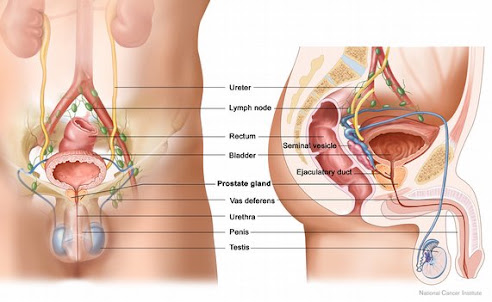
About one man in six will be diagnosed with prostate cancer during his lifetime, but only one man in 34 will die of the disease. The main job of the prostate gland is to make seminal fluid, the milky substance that transports sperm. Men, who are younger than 40 years old, are rarely ever diagnosed with prostate cancer.
Additional symptoms that may be associated with this disease are bone pain or tenderness, and abdominal pain. One symptom is the need to urinate frequently, especially at night. Another prostate cancer symptom is difficulty starting urination or holding back urine. One of the most common symptoms is the inability to urinate at all.
If prostate cancer is caught in its earliest stages, most men will not experience any symptoms.
A number of tests may be done to confirm a diagnosis of prostate cancer. The prostate-specific antigen (PSA) test measures the PSA enzyme in your blood for abnormalities. The decision about whether or not to pursue a PSA test should be based on a discussion between you and your doctor.
A urinalysis may indicate if there is blood in the urine. Urine or prostatic fluid cytology may reveal unusual cells. There is a newer test called AMACR that is more sensitive than the PSA test for determining the presence of prostate cancer.
Hormone manipulation is mainly used as a treatment to relieve symptoms in men whose cancer has spread. The approaches to treatment include: waiting to see whether the cancer is growing slowly and not causing any symptoms. Whether radiation is as good as removing the prostate is definitely debatable and the decision about which to choose, if any, can be difficult for some men.
Radiation therapy to the prostate gland is either external or internal, both of which use high-energy rays to kill cancer cells and shrink tumors. Some drugs with numerous side effects are being used to treat advanced prostate cancer, blocking the production of testosterone, called chemical castration; it has the same result as surgical removal of the testes. Treatment options can vary based on the stage of the tumor.
Most men simply want the best treatment they can get but what's important is picking the best treatment for you. Be aware that some men choose natural treatment options and forgo any surgery, radiation or chemotherapy. Recent improvements in surgical procedures have made complications occur less often.
Medicines can be used to adjust the levels of testosterone; called hormonal manipulation. Medications can have many side effects, including hot flashes and loss of sexual desire. Since prostate tumors require testosterone to grow, reducing the testosterone level is used to prevent further growth and spread of the cancer.
Thoroughly discuss your treatment options and concerns with your doctor and other health professionals; it never hurts to get a second or even third opinion or more if necessary. What you can do now is begin to understand what your treatment options are and where you're going to begin.
It's important to get as informed as possible and read all the newest books, ebooks and research available. With the advent of PSA testing, most prostate cancers are found before they cause any symptoms. The outcome of prostate cancer varies greatly; mostly because the disease is found in older men who may have a variety of other complicating diseases or conditions, like cardiac or respiratory disease, or disabilities that immobilize or greatly decrease their activity level.
For more information on prostate cancer treatments and prostate cancer symptoms go to http://www.BestProstateHealthTips.com Helen Hecker R.N.'s website specializing in prostate and prostate cancer tips, advice and resources, including information on prostate tests and natural prostate cancer treatments
Article Source: http://EzineArticles.com/?expert=HelenHecker
http://EzineArticles.com/?Your-Quick-Guide-To-Facts-About-Prostate-Cancer&id=505295
